Should You Paint Your Montreal Home Before Winter? Here’s What You Need to Know
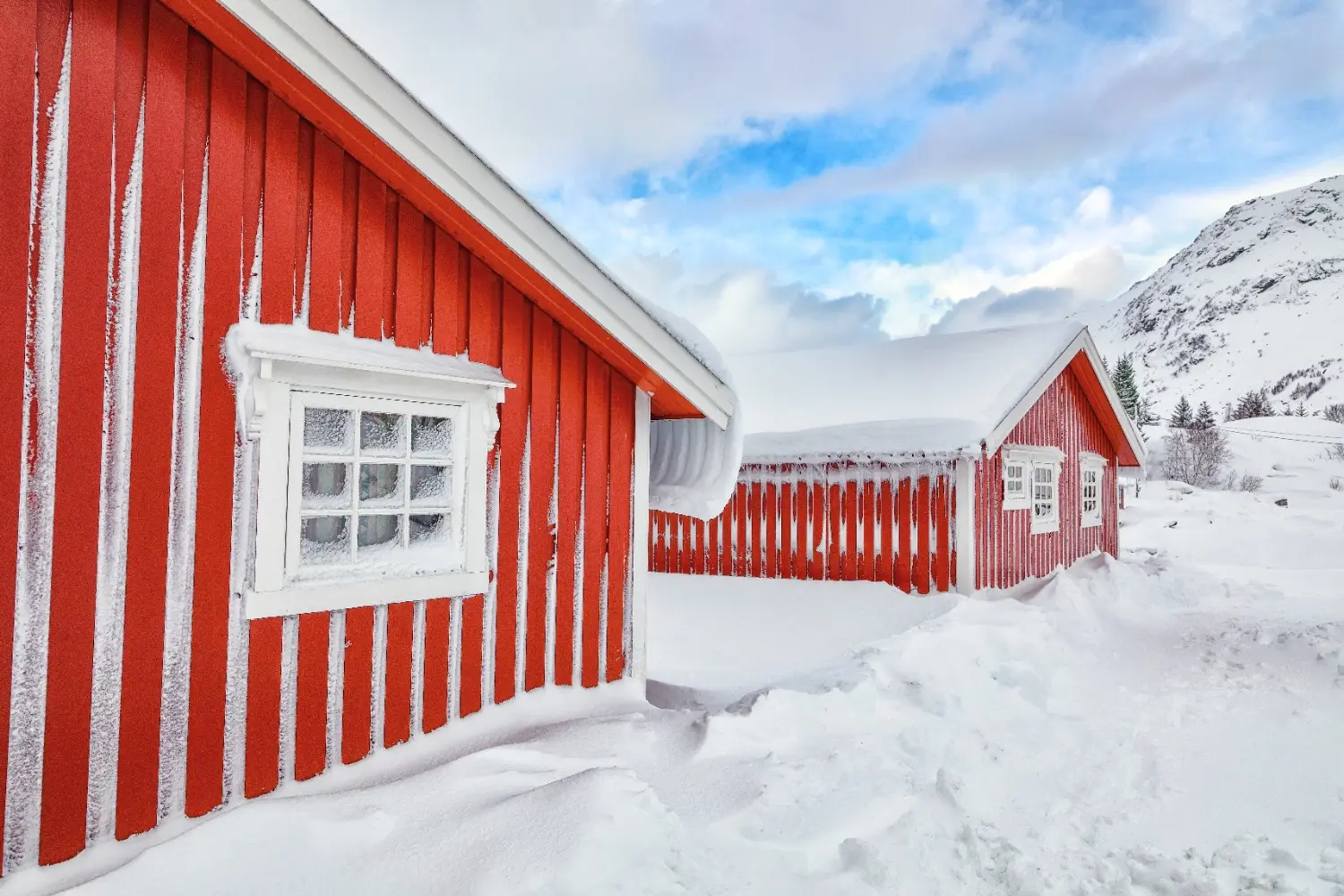
As autumn settles across Montreal and temperatures begin their steady decline, many homeowners find themselves asking the same question: “Can I still get my house painted before winter arrives?” It’s a reasonable concern—especially if you’ve noticed peeling paint, fading colors, or weather damage that’s been on your to-do list all summer.
The short answer is complicated. While exterior painting is technically possible during Montreal’s shoulder seasons, the reality involves understanding weather requirements, material limitations, and risk factors that can make or break your investment. Rushing into a late-season paint job without proper planning can lead to adhesion failures, premature peeling, and wasted money on work that won’t last through the first freeze-thaw cycle.
This guide explains everything you need to know about timing exterior painting projects in Montreal’s climate, what happens when paint is applied in less-than-ideal conditions, and how to make smart decisions that protect your home and your budget.
Why Temperature Matters More Than You Think
Paint isn’t just colored liquid that dries on your walls. It’s a sophisticated chemical system that requires specific conditions to cure properly and form a durable, protective bond with your home’s exterior surfaces.
Most quality exterior paints—including the premium Sherwin-Williams and Benjamin Moore products we use—require consistent temperatures above 10°C (50°F) for proper application and curing. This isn’t an arbitrary number or cautious recommendation. It’s based on the actual chemistry of how modern acrylic latex paints work.
When temperatures drop below this threshold, several problems occur simultaneously. The paint thickens significantly, making smooth application nearly impossible and creating visible brush marks or roller stipple that never smooth out. Water-based paints can actually freeze before curing, destroying the chemical structure entirely. Even if freezing doesn’t occur, cold temperatures dramatically slow the curing process, leaving paint vulnerable to moisture damage, dirt adhesion, and physical damage for extended periods.
But here’s where it gets tricky: you need these temperatures consistently—during application, overnight, and for at least 48 hours afterward. In Montreal, even a sunny October afternoon that reaches 15°C can be followed by a night that drops to 3°C. That overnight cold can ruin an entire day’s work, leading to poor adhesion, bubbling, or premature failure.
Montreal’s Painting Season Reality Check
Understanding our local climate patterns helps explain why professional painters get booked solid from May through September and why fall painting requests often get turned down.
Montreal’s reliable painting window typically runs from late May through early October. During these months, we see consistent daytime temperatures above 10°C, manageable humidity levels, and relatively predictable weather patterns. Even within this window, we monitor forecasts constantly and adjust schedules around rain, extreme heat, or unexpected cold fronts.
By mid-October, conditions become increasingly unpredictable. You might see a beautiful stretch of mild, sunny days—perfect painting weather—followed by an abrupt cold snap that drops overnight temperatures near freezing. By November, exterior painting becomes essentially impossible, with daytime temperatures rarely climbing high enough and overnight lows consistently falling well below minimum requirements.
Some homeowners look at a warm autumn day and assume it’s fine to paint. They see 12°C on the thermometer at 2 PM and think conditions are perfect. But professional painters know to check the full 72-hour forecast, looking at overnight lows, humidity levels, dew point, and precipitation probability. All these factors determine whether paint will cure properly or fail prematurely.
What Happens When Paint Is Applied Too Late
The consequences of late-season painting aren’t immediately obvious—which makes them particularly problematic. The paint might look fine initially, but problems surface within weeks or months.
Poor adhesion is the most common issue. When paint doesn’t bond properly to the substrate due to cold temperatures, it may appear acceptable at first but begins peeling or flaking once winter stress hits. The freeze-thaw cycles we experience from November through March put enormous stress on exterior surfaces. Paint that hasn’t cured properly simply can’t withstand this stress.
Moisture entrapment creates another serious problem. If paint is applied when surfaces are damp from morning dew or recent rain—which happens frequently in fall—that moisture gets sealed beneath the paint film. As temperatures drop and rise, this trapped moisture freezes and expands, creating bubbles, blistering, and adhesion failure from behind the paint layer.
Incomplete curing leaves paint vulnerable. Properly cured exterior paint becomes hard, flexible, and weather-resistant. Paint applied in cold conditions may never fully cure, remaining softer and more susceptible to dirt accumulation, physical damage, and premature wear. This means paint that should last 10-12 years might fail within 2-3 years, forcing you to repaint much sooner than expected and pay twice for work that should have been done once correctly.
The Smart Alternative: Planning for Spring Success
Rather than rushing a questionable fall paint job, strategic planning for spring delivers better results, lower risk, and greater long-term value.
Contact painting contractors during winter months—January through March. This is when professional painting companies have time to conduct thorough consultations, provide detailed estimates, and lock in your preferred schedule. You’ll avoid the spring rush when everyone suddenly realizes they need painting done and contractors’ schedules fill completely.
Early scheduling provides multiple advantages. You secure optimal timing during the prime May-June painting window when weather conditions are most favorable and stable. You have adequate time to make color selections thoughtfully rather than rushed decisions. If any repairs or preparation work is needed—replacing rotted wood, addressing moisture issues, or fixing damaged siding—there’s time to complete this work properly before painting begins.
Budget planning becomes easier too. Knowing your project cost months in advance lets you plan finances appropriately, potentially taking advantage of early-season promotions many contractors offer to fill their spring schedules.
Protecting Your Home Through Winter While You Wait
If your exterior paint is deteriorating but winter is approaching, you’re not completely out of options. Several protective measures can safeguard your home until spring painting becomes feasible.
For localized damage—small areas of peeling paint, exposed wood, or damaged trim—temporary repairs can prevent further deterioration. While these won’t look perfect, they protect vulnerable areas from moisture intrusion and freeze-thaw damage. Any competent handyman or contractor can seal exposed wood, apply temporary caulking to gaps, or make minor repairs that bridge the gap until comprehensive painting becomes possible.
Focus attention on critical areas: check that gutters are clean and functioning properly to prevent water overflow onto siding, ensure downspouts direct water away from your foundation, inspect and repair any obvious gaps or cracks where water might penetrate, and monitor areas where you’ve noticed problems to catch any worsening conditions early.
Address moisture sources that might be contributing to paint failure. Sometimes paint deterioration results from underlying moisture problems—leaking gutters, poor grading, or inadequate ventilation. Winter provides an opportunity to address these root causes before spring painting begins.
What to Ask Contractors About Fall Painting
If you’re determined to pursue late-season painting—perhaps for urgent repairs or specific circumstances—certain questions help you evaluate whether the contractor understands the risks and has strategies to mitigate them.
Ask specifically: “What temperature requirements do you follow, and how do you monitor conditions?” Quality contractors will explain their weather monitoring process and minimum temperature requirements clearly. They won’t just look at afternoon highs; they’ll consider overnight lows and forecast stability.
“What happens if weather conditions change unexpectedly?” Professional painters should have clear policies about stopping work if conditions deteriorate and won’t pressure you to proceed when weather becomes unsuitable.
“What specific products do you use for challenging conditions?” Some paint manufacturers offer products designed for lower-temperature application—though these still have limits. Understanding product specifications helps you evaluate whether the contractor is using appropriate materials.
“What warranty coverage applies to fall painting work?” Be cautious of contractors who offer the same warranty for late-season work as summer projects. The elevated risk of fall painting should be acknowledged, and warranty terms should reflect this reality.
Our Approach at Pro Paint Plus
We take Montreal’s climate seriously because we’ve seen what happens when painting projects ignore weather realities. That’s why we typically recommend against exterior painting after mid-October, even when homeowners are eager to proceed.
Our commitment to quality means we won’t take on projects where weather conditions compromise results. We’d rather schedule your work for optimal spring timing than complete a job we know might fail prematurely. This approach protects both your investment and our reputation—because we stand behind our work with a three-year workmanship warranty, and we can only offer that confidence when work is completed under proper conditions.
When you contact us during winter months, we’ll schedule a comprehensive consultation to assess your home’s current condition, identify any urgent protective measures needed, discuss color selections and product options, provide a detailed estimate, and secure your preferred spring timing before our schedule fills.
Making the Right Decision for Your Home
If you’re facing exterior paint problems as winter approaches, take a step back and evaluate the situation objectively. Ask yourself: Is this truly urgent, or can protective measures get me through winter? Will rushing into fall painting risk poor results and wasted money? Would waiting for optimal spring conditions deliver better long-term value?
In most cases, strategic planning for spring painting makes more sense than rushing a questionable fall project. Your home deserves quality work completed under conditions that allow paint to perform as designed—protecting your investment for years, not just months.
Ready to plan your spring exterior painting project? Contact Pro Paint Plus today for a complimentary consultation. We’ll assess your home’s condition, discuss your options, and secure optimal spring scheduling before prime dates disappear.